
Missouri is rich in water. With that wealth comes a multitude of water recreation activities for citizens and visitors to take advantage of. From multi-million-gallon water parks with wave pools and slides to scenic natural rivers and everything in between, there is a water recreation outlet for everyone who lives in or visits the state. Innumerable hours of fun can be had on Missouri water; you should also be aware that hazards lurk beneath the surface.
Recreational water sites fall into two general categories: natural areas such as streams, rivers, ponds, lakes and reservoirs, and controlled areas such as public and semipublic pools, spas and water parks. Each carries its own safety concerns, and the difference matters more than most swimmers realize.
The Numbers
Water activities lead to injuries, accidents and fatalities every summer. Across the state last year, the Missouri State Highway Patrol counted 41 lives lost in incidents related to drowning, crashes, capsized watercraft and other accidents in Missouri lakes and rivers. Those figures cover natural water only; drowning fatalities and injuries in public and private pools are not compiled in the same reports, so the true toll is higher than any single number can show.
Many local health departments run active recreational water safety programs, including regular inspections and sampling of controlled pools and spas and of natural bathing beaches, with bather safety recommendations based on what they find. The Department of Health and Senior Services takes an active role with commercial lodging facility pools; through contracts with local health departments, the state ensures those pools meet a minimum safety and sanitary standard before a lodging facility earns its annual license.
At the Pool
Whether you are at a public pool or a backyard pool, the basics keep everyone in the water and out of the hospital. Not every public pool has a lifeguard on duty, so common sense does the heavy lifting.
- Never swim alone. Even strong swimmers can slip, hit their head and go under.
- Supervise children at all times. An adult must be present whenever children are in or near the water.
- Walk, don’t run. Wet concrete is a fall waiting to happen.
- Put inexperienced swimmers in a life vest, and keep them out of the deep end.
- Mind the depth markers. Children and weak swimmers stay shallow.
- Know the safe depth for diving. A springboard needs more water than you think; diving head-first into shallow water causes serious neck injuries and deaths every year.
- Skip blue and green swimwear. Those colors disappear against pool water and make a swimmer in trouble hard to spot. Bright yellow, orange, red and pink stand out.
- Stay hydrated. The heat dehydrates you even while you are in the water; pack water bottles and take breaks.
- Know when you have had enough. Fatigue is dangerous in any body of water. When your body says stop, get out and rest.
At the Lake or Pond
Swimming in a lake or pond is nothing like swimming in a clear pool. At depth you cannot see the bottom, and you never know what is beneath your feet. Add the open-water tips below to everything above.
- Wear a life vest or keep one within reach. Strong swimmers drown too. Swim out too far, get tired, and there is no bottom to stand on for a rest. A flotation device fixes that.
- Never swim while intoxicated. Alcohol kills common sense and motor skills. Keep it on land.
- Watch the weather. Lightning and water do not mix, and storms turn calm water rough fast. Get out when a storm looms.
- Look before you leap. Open water has no depth markings, and a submerged log or rock can hide just under the surface. Do not dive head-first into water you have not checked.
- Be aware of boats. If you anchor and swim in open water, other boaters may not see you. Stay alert and stay visible.
On the River or Stream
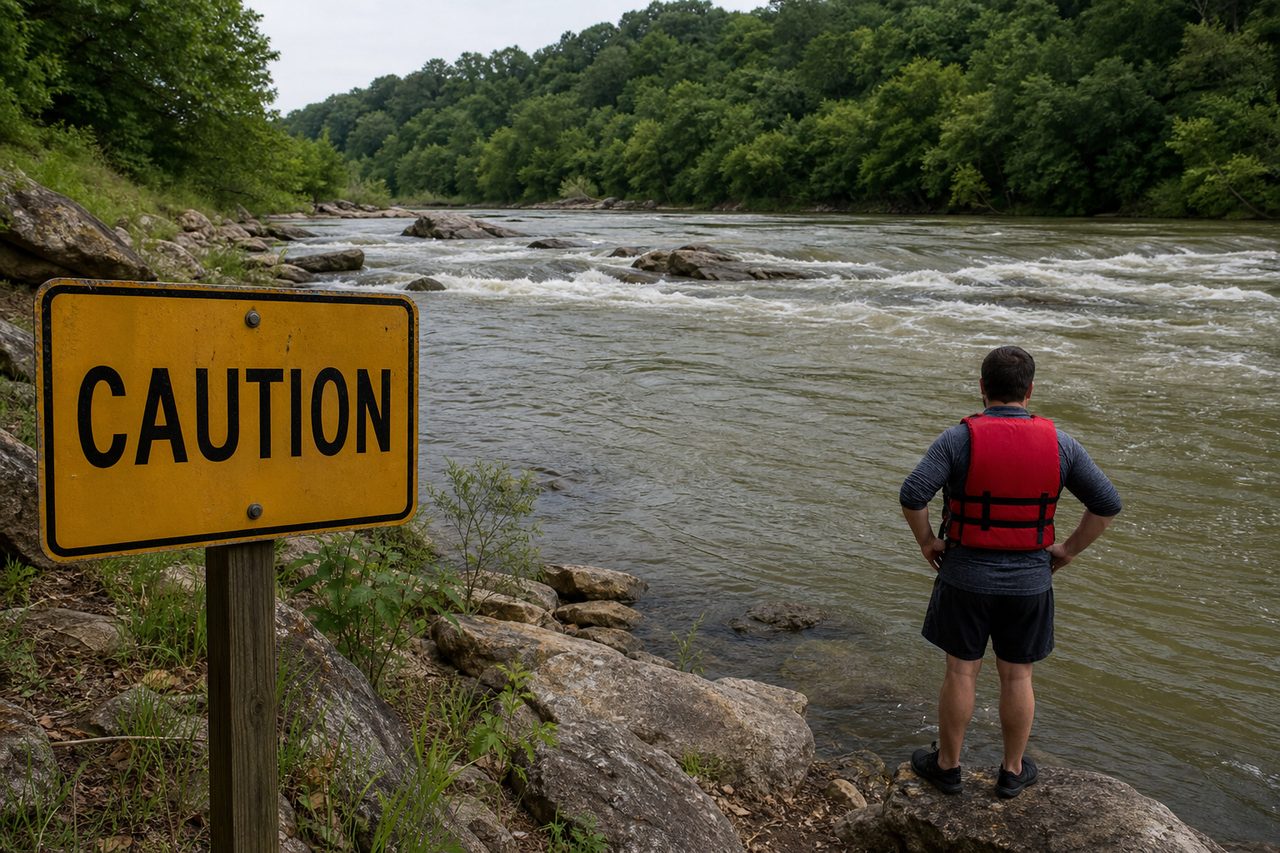
Rivers and streams demand the most caution of all. Swift currents, rough water, hidden logs and boulders, and a powerful undertow can lurk where the surface looks calm. Moving water is not for everyone, and a still surface often means deep, hazardous water below. Every tip above applies, plus these.
- Wear the life vest. Do not just carry it; wear it. Currents catch swimmers by surprise.
- Respect still water. The old saying holds: still water runs deep. Calm surfaces can hide debris and undertow.
- Do not fight the current. If it catches you, do not panic. Swim at a 45-degree angle toward the nearest shoreline; never swim straight against the flow.
- Watch for wildlife. Missouri rivers are home to snakes, some venomous. Give them room and swim the other way.
- Wear water shoes in the shallows to protect your feet on rocks; take them off before you swim.
- Obey the signs. Yellow signs warn of moderately dangerous conditions; red signs warn against swimming. Even a yellow sign can mean real danger.
- Never swim a river at flood stage. Check flood conditions before you go.
- Stay clear of runoff and drains where waste or sewage may enter the water.
- Match the water to the activity, and research it first. Every Missouri river is different.
- Skip the caves. River caves look like adventure and end as rescues. Leave them to the professionals.
In Missouri’s State Parks
Missouri’s state parks offer some of the best outdoor water in the state, but many of those features cannot be controlled or managed the way a pool can. The American Red Cross offers a short list that travels well to any lake, pond, river or stream:
- Familiarize yourself with the area before entering the water.
- Watch for underwater obstacles such as stumps and logs.
- Never swim, wade or enter any water feature alone.
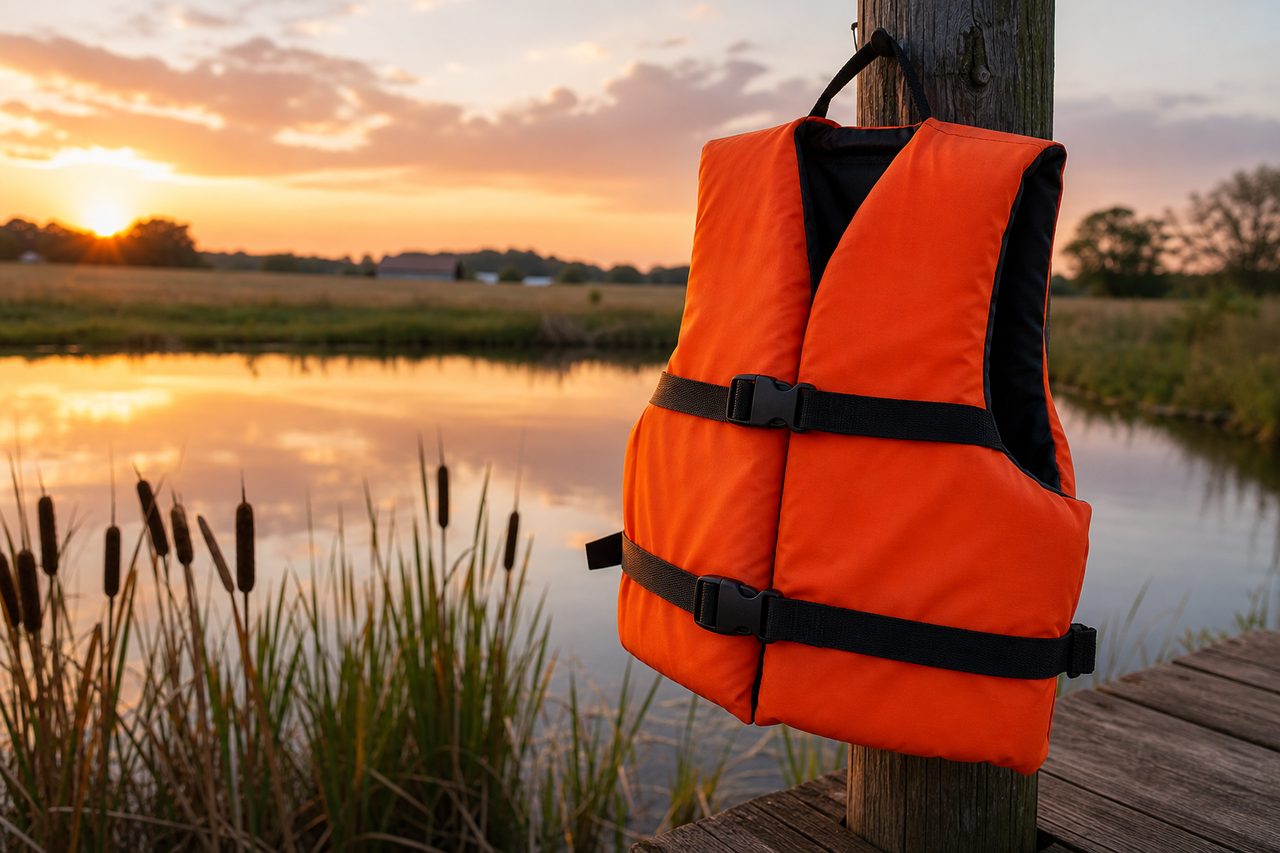
- Always wear a personal flotation device.
- Never leave children unsupervised near the water.
- Learn to swim, and know your limits.
- Never drink alcohol and swim.
And Don’t Forget the Sunscreen
Stay cool this summer in Missouri’s lakes, ponds, pools, rivers and streams, but abide by the rules that keep the fun from turning into a tragedy. And while you are at it, do not forget the SPF. Skin safety counts too. The heat and the sun can be brutal in Missouri; apply sunscreen regularly to spare yourself a bright red, blistered ride home.